


Autism within Culture & Community

Updated: Jan 4
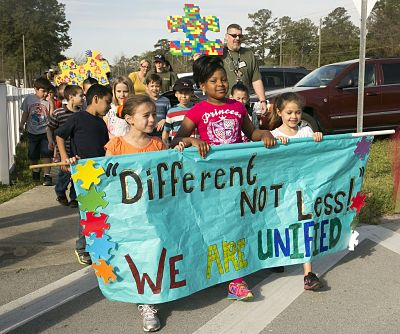
Children walking in support to spread awareness of the autism disorder
Autism within culture and community is increasingly understood through the powerful framework of neurodiversity, which views autism as a natural and valuable form of human variation. This cultural shift, championed by self-advocacy organizations like the Autistic Self Advocacy Network, moves the conversation toward acceptance and inclusion. In practice, this means creating tangible community spaces and events. Examples include sensory-friendly hours at major museums like the Smithsonian, relaxed performances in theaters that allow for movement and noise, and inclusive playgrounds designed with sensory needs in mind. Public libraries, supported by resources from the Institute of Museum and Library Services, now frequently host social story times and technology clubs that cater to diverse communication styles, moving beyond awareness to active participation.
The development of a distinct autistic culture is a key aspect of this integration. This culture is expressed through shared identity, art, and online communities. For instance, events like Autism awareness day and online platforms such as the #ActuallyAutistic hashtag on social media provide spaces for connection and validation. Artistic movements, showcased in exhibitions curated by groups like the Autism Society, highlight the unique perspectives of autistic creators. This cultural pride, which often advocates for identity-first language, fosters resilience and provides a powerful counter-narrative to stereotypes. It empowers individuals, showing them they are part of a community with its own rich history and expressive outlets, as highlighted in community guides from the Organization for Autism Research.
Ultimately, building truly inclusive communities requires a commitment from all members. Real-world examples include towns that have launched "Autism Friendly City" initiatives, training local businesses and first responders. School districts are implementing peer mentorship programs that benefit all students, and companies are partnering with community groups for inclusive hiring fairs. Resources from institutions like the National Institute of Mental Health underscore the importance of these community-based support systems for long-term wellbeing. When culture and community embrace neurodiversity in these concrete ways, they move from simply providing services to learning from autistic people, creating a more flexible, empathetic, and innovative social fabric where differences are valued as essential to the collective human experience.


Comments